
The first time you hear “Ceıvır,” it sounds like a place or a name. Then you discover it is actually tied to food, culture, and tradition. That moment of confusion quickly turns into curiosity. What exactly is Ceıvır, and why are more people talking about it?
Ceıvır is not just a dish. It represents a deeper connection to Turkish culinary roots, simple ingredients, and time-tested cooking methods. Once you understand it, you begin to see why it stands out in a world full of fast food and shortcuts.
What Is Ceıvır?
Ceıvır is commonly described as a traditional Turkish-style preparation that focuses on simple, fresh ingredients cooked with care.
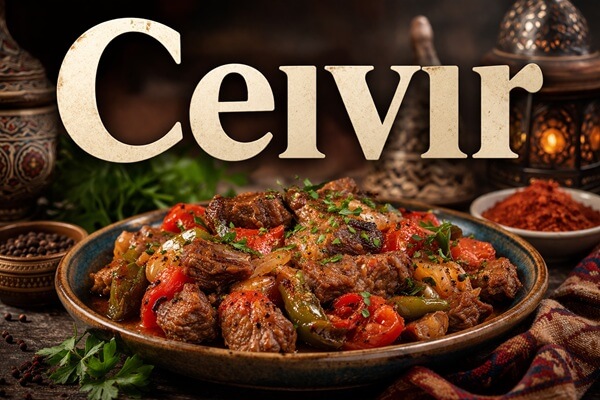
It is not a single fixed recipe. Instead, Ceıvır refers to a style of cooking that blends meat, spices, and sometimes vegetables in a way that highlights natural flavors.
At its core, Ceıvır is about balance. The spices are present but not overpowering. The cooking process is slow enough to develop depth but not complicated.
This makes Ceıvır both accessible and rich in taste.
The Origins of Ceıvır
Ceıvır has roots in Turkish culinary traditions, especially in regions where home-style cooking plays a central role in daily life.
The concept likely developed in small communities where people relied on locally available ingredients. Cooking was not about presentation or trends. It was about nourishment and flavor.
Over time, these simple cooking methods became part of cultural identity. Recipes were passed down through families, often without written instructions.
That is why Ceıvır feels authentic. It carries the memory of generations.
Why Ceıvır Stands Out
Many dishes rely on heavy sauces or complex techniques. Ceıvır takes a different approach.
It focuses on the quality of ingredients and the way they are combined. Fresh meat, natural spices, and proper cooking time do most of the work.
This simplicity creates a clean, satisfying flavor.
Ceıvır also stands out because it feels honest. There is no attempt to hide ingredients or overcomplicate the dish. What you taste is exactly what was prepared.
Key Ingredients Used in Ceıvır
Ceıvır typically uses ingredients that are easy to find but powerful when combined correctly.
The most common base is meat, often lamb or chicken. These meats are chosen for their natural flavor and ability to absorb spices.
Spices play an important role, but they are used carefully. Common choices include paprika, black pepper, garlic, and herbs.
Vegetables like onions, tomatoes, and peppers are often added to enhance texture and taste.
Olive oil is usually used for cooking, adding richness without overpowering the dish.
How Ceıvır Is Prepared
The preparation of Ceıvır is simple but requires attention.
The meat is usually cut into small pieces to ensure even cooking. It is then seasoned and left to absorb the flavors.
Cooking is often done over medium heat. This allows the ingredients to blend naturally without burning or losing moisture.
Some versions involve grilling, while others use pan cooking or slow simmering.
The goal is always the same. Bring out the natural taste of each ingredient while creating a balanced dish.
Traditional vs Modern Ceıvır
Traditional Ceıvır stays close to its roots.
It uses basic ingredients and simple cooking methods. The focus is on preserving the original flavor and cultural value.
Modern Ceıvır, on the other hand, introduces variation.
Chefs and home cooks experiment with new spices, cooking styles, and presentation. Some versions include fusion elements or adapt to different dietary preferences.
Both styles have value. Traditional Ceıvır offers authenticity, while modern versions bring creativity.
Also read: Çbiri Explained: Origins, Meaning, and Why People Are Curious About It
Regional Variations of Ceıvır
Different regions have their own versions of Ceıvır.
In some areas, the dish leans more toward grilled preparation. In others, it is cooked slowly with vegetables and spices.
The choice of meat can also vary. Coastal regions may include seafood-inspired variations, while inland areas focus on lamb or chicken.
These regional differences keep Ceıvır dynamic and adaptable.
Why Ceıvır Is Becoming Popular
Ceıvır is gaining attention for several reasons.
People are moving toward simple, authentic food. They want meals that feel real and not overly processed.
Ceıvır fits perfectly into this shift. It offers strong flavor without unnecessary complexity.
Social media also plays a role. Food lovers share traditional recipes and cooking methods, bringing dishes like Ceıvır into the spotlight.
As more people discover it, its popularity continues to grow.
Health Benefits of Ceıvır
Ceıvır can be a healthy option when prepared properly.
It uses fresh ingredients and avoids heavy processing. The focus on natural spices and balanced cooking helps maintain nutritional value.
Lean meats provide protein, while vegetables add vitamins and fiber.
The use of olive oil adds healthy fats without making the dish too heavy.
This makes Ceıvır suitable for people looking for both taste and nutrition.
Ceıvır in Home Cooking
Ceıvır is ideal for home cooking.
It does not require expensive equipment or rare ingredients. Most of what you need is already available in a standard kitchen.
The cooking process is straightforward, making it accessible even for beginners.
At the same time, it offers enough depth for experienced cooks to refine and experiment.
This balance makes Ceıvır a practical choice for everyday meals.
Ceıvır in Restaurants and Food Culture
Restaurants are starting to include Ceıvır-inspired dishes on their menus.
This reflects a broader trend toward traditional and regional cuisine.
Chefs are drawn to Ceıvır because it allows them to showcase flavor without relying on complicated techniques.
It also connects diners to cultural roots, offering more than just a meal.
This growing presence in restaurants is helping Ceıvır reach a wider audience.
Common Mistakes When Making Ceıvır
Even though Ceıvır is simple, certain mistakes can affect the final result.
Using too many spices can overpower the natural flavor. Ceıvır relies on balance, not intensity.
Cooking at high heat can dry out the meat. Medium heat works best for even cooking.
Skipping the marination step can reduce flavor depth. Allowing the ingredients to rest before cooking makes a difference.
Avoiding these mistakes helps maintain the authenticity of the dish.
How to Make Ceıvır at Home
Start with fresh meat and basic spices.
Cut the meat into small pieces and season it with salt, pepper, garlic, and paprika. Let it rest for some time.
Heat olive oil in a pan and cook the meat over medium heat. Add chopped onions and vegetables as it cooks.
Stir occasionally and allow the flavors to blend naturally.
Cook until the meat is tender and slightly browned.
Serve it warm, often with bread or rice.
Ceıvır and Cultural Identity
Ceıvır represents more than food.
It reflects a way of life that values simplicity, patience, and connection.
Cooking Ceıvır often involves family or shared experiences. It is not just about eating but about gathering and sharing.
This cultural aspect adds emotional value to the dish.
The Future of Ceıvır
Ceıvır is likely to continue growing in popularity.
As people seek authentic experiences, traditional dishes like Ceıvır will gain more attention.
At the same time, modern adaptations will keep it relevant.
This balance between tradition and innovation will shape its future.
Final Thoughts
Ceıvır is not complicated, but it is meaningful.
It brings together simple ingredients, careful cooking, and cultural depth.
Once you try it, you understand why it stands out.
It is not just about taste. It is about connection, tradition, and the beauty of simplicity.