
You walk into your kitchen and cannot find the right pan. Your living room feels cluttered but you are not sure why. Your bedroom lacks that calm feeling you want after a long day. These small frustrations add up. They make a house feel less like a home.
That is where the concept of a homeware zone changes things. A homeware zone is not just a shopping section or a brand name. It is a way of thinking about your living space. It means choosing products that work together, look good, and actually make your daily life easier.
Let us walk through everything you need to know about creating your own homeware zone. We will cover the key categories, design principles, common mistakes, and practical tips that actually work.
What Exactly Is a Homeware Zone
A homeware zone can mean two things. First, it describes a dedicated section in a retail store or online shop where you find household products all in one place. Second, it represents a design concept for your own home.
Either way, the idea stays the same. A homeware zone brings together kitchen tools, decorative items, storage solutions, and small appliances. Instead of buying random pieces, you build a cohesive collection. Every item serves a purpose. Every piece fits with the others.
This approach saves you time and money. You stop buying things that do not work together. You stop cluttering your home with mismatched items that add no real value.
Why the Homeware Zone Concept Matters Now
Homes today do more than ever. Your living room might be a workspace in the morning and a movie theater at night. Your kitchen needs to handle quick breakfasts and elaborate dinner parties. Your bedroom must support restful sleep and lazy Sunday mornings.
A homeware zone helps you meet all these demands without chaos. When every product has a clear function and a proper place, your home runs smoother. You spend less time searching for things. You waste less energy on frustration.
Good organization also affects your mood. A cluttered space creates mental clutter. A well arranged home feels calmer and more welcoming. That is not just opinion. That is how human brains respond to order and visual harmony.
Kitchen Essentials That Actually Work
The kitchen is the heart of most homes. It deserves special attention in your homeware zone. Start with cookware that lasts. Cheap pans warp. Handles loosen. Non stick coatings peel. Investing in quality pieces saves you money over time because you replace them less often.
Utensils matter too. Flimsy spatulas bend. Weak spoons snap. Look for tools with solid construction and comfortable grips. Wooden spoons, stainless steel ladles, and heat resistant turners should feel sturdy in your hand.
Storage containers keep your fridge and pantry organized. Glass containers let you see what is inside. Stackable designs save space. Airtight lids keep food fresh longer. These small details add up to a kitchen that works for you, not against you.
Home Décor That Adds Warmth Without Clutter
Many people make the same mistake with décor. They buy too many small items. Soon, every surface holds a knickknack. The room feels busy and stressful instead of warm and inviting.
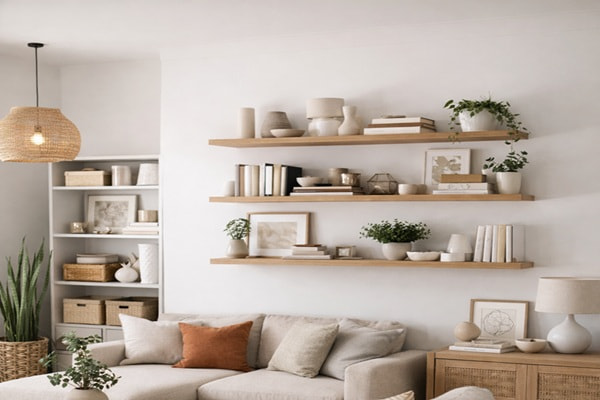
A smart homeware zone approach limits decorative pieces to what truly adds value. A few well placed lamps create better lighting. One quality rug defines a seating area. Two or three wall art pieces give personality without overwhelming the space.
Think about textures too. Soft cushions, woven blankets, and natural wood accents add warmth without visual noise. Neutral colours create a calm base. Then you can add small pops of colour through items you can change easily, like throw pillows or flowers.
Storage Solutions That Reduce Visual Clutter
Mess happens when things do not have a home. Your homeware zone should include smart storage that hides everyday items while keeping them accessible.
Closed cabinets work better than open shelves for hiding visual chaos. Baskets and bins corral loose items like remote controls, mail, and charging cables. Drawer organizers stop utensils, tools, and office supplies from becoming tangled piles.
The key is matching storage to your habits. If you always drop keys by the door, put a small bowl there. If you never fold blankets, get a large basket to toss them into. Work with your natural behavior instead of fighting it.
Small Appliances That Simplify Daily Life
Not every appliance deserves a spot in your homeware zone. Choose only the ones you use weekly. A blender for morning smoothies makes sense. A bread maker that sits untouched for months does not.
Energy efficiency matters more than most people realize. Modern appliances use less electricity and water. They save you money on utility bills while reducing your environmental footprint.
Smart features can help too. Programmable coffee makers have your brew ready when you wake up. Robot vacuums clean while you work. Smart plugs let you control lamps and fans from your phone. These small conveniences add up to a home that anticipates your needs.
Designing Your Homeware Zone Room by Room
Start with the room you use most. For many people, that is the living room. Identify what happens in that space. Watching TV. Reading. Playing with kids. Working on a laptop. Each activity needs different support.
Arrange furniture to create zones within the room. A sofa and coffee table form a conversation area. A desk near the window creates a workspace. A lamp and armchair make a reading nook.
Move to the bedroom next. Focus on rest. Blackout curtains block disruptive light. Quality sheets feel good against your skin. A simple nightstand holds a lamp, a book, and a glass of water. Nothing more.
The bathroom deserves attention too. Shower caddies keep products organized. Drawer dividers stop makeup and grooming tools from becoming a jumbled mess. Towels stored near the shower make drying off convenient.
Common Mistakes to Avoid
Overcrowding is the number one mistake. People buy too much furniture and too many decorative items. Rooms feel cramped and uncomfortable. Leave empty space. It makes the room feel larger and calmer.
Ignoring quality for price is another trap. Cheap items break or wear out quickly. You end up replacing them multiple times. Spending more upfront on durable products saves money in the long run.
Poor lighting ruins even the best decorated room. Harsh overhead lights create glare and shadows. Mix floor lamps, table lamps, and wall sconces. Use warm bulbs around 2700 Kelvin for living spaces. Save bright white light for task areas like kitchen counters.
Forgetting about maintenance is a final mistake. White sofas show every stain. Open shelves collect dust. High maintenance items look great on day one but become burdens over time. Choose finishes and materials that fit your actual lifestyle.
Sustainability in Your Homeware Zone
Eco friendly choices benefit both the planet and your wallet. Look for products made from recycled materials. Bamboo grows fast and regenerates without replanting. Glass and metal last longer than plastic and recycle more easily.
Buying less is the most sustainable choice of all. A smaller homeware zone with quality pieces beats a crowded one with cheap disposable items. Repair what breaks instead of automatically replacing it.
Energy efficient appliances reduce your carbon footprint and your electric bill. LED bulbs use a fraction of the energy of old incandescents. Smart thermostats learn your schedule and heat or cool your home only when needed.
Affordability Without Sacrificing Quality
You do not need a huge budget to build a great homeware zone. Start with the essentials. Buy the best quality you can afford for items you use every day. Save money on decorative pieces that you can swap out later.
Shop sales and clearance sections. Many stores mark down seasonal colours and patterns. Solid neutral basics rarely go on deep discount, but trendy colours do. Buy the trendy items cheap and use them as accents.
Consider secondhand options for certain items. Glassware, ceramic planters, and solid wood furniture from thrift stores can be excellent quality for very little money. Just avoid used soft goods like mattresses or upholstered furniture due to hygiene concerns.
Also Read : Garret Barnes Pam Bondi First Husband Quiet Life and Divorce Facts
How Homeware Zone Adapts to Small Spaces
Small homes and apartments need smart solutions. Multifunctional furniture stretches every square foot. A storage ottoman holds blankets and serves as a footrest. A drop leaf table expands for dinner and folds down to save space.
Vertical storage uses wall space instead of floor space. Shelves, pegboards, and wall mounted cabinets keep items accessible without crowding the room. Mirrors create the illusion of more space by reflecting light and views.
Proportion matters in small rooms. One large piece of art looks better than many small pieces. A single large rug makes the room feel bigger than several small rugs. Choose fewer, larger items over many tiny ones.
The Future of Homeware Zones
Technology will play a bigger role in homeware zones going forward. Voice controlled lights and speakers are already common. Smart refrigerators track your groceries. Automated blinds open and close with the sun.
Customization is another growing trend. Modular furniture lets you rearrange pieces as your needs change. Adjustable shelving adapts to different item sizes. Personalised colour options let you match products to your exact taste.
Sustainability will keep gaining importance. More brands will use recycled ocean plastics, rapidly renewable bamboo, and low impact manufacturing processes. Consumers will expect transparency about where products come from and how they are made.
Bringing It All Together
Building your homeware zone does not happen overnight. Start small. Fix the most frustrating area of your home first. Maybe that is your messy kitchen drawers. Maybe it is your cluttered entryway.
Choose one project and complete it. Then move to the next. Over weeks and months, your home will transform. Each room will feel more intentional. Each daily task will become slightly easier.
That is the real goal of a homeware zone. Not perfection. Not a magazine cover look. Just a home that works better for the people living in it. Less frustration. More calm. More time for what actually matters.